
From Neuromorphic AI to Neurosymbolic AI Investment
Originally published in Global Corporate Venturing (GCV)
Read the original GCV article ↗ · 5 February 2026
This article explores why industrial AI needs systems that combine learning with structured reasoning, rules and logical constraints.

Neurosymbolic AI — Key to AI + Industrial
Neurosymbolic models, which integrate structured reasoning, rules and logical constraints into learning systems, are emerging as a critical path forward if AI is to achieve its potential in industrial applications.
AI-Driven Capital Investment
Artificial intelligence has driven unprecedented market expansion in recent years. According to the IMF’s reported metrics, the combined market capitalisation of the ten largest U.S. companies now dominates the global equity market, due to AI-driven expectations rather than underlying earnings. Goldman Sachs also reported that since 2023, AI hardware spending alone has risen by approximately $300bn, fuelling a surge in data-center investment and computing infrastructure.
Much of the AI-infrastructure build-out has been debt-financed. In the U.S. base case, roughly $4 trillion in data-center spending would require $8 trillion in revenue to justify returns by 2030. In a more aggressive scenario, $10 trillion of capex would need to generate $20 trillion in downstream value.
Limitations of Neuromorphic AI
These models are unable to reason independently, enforce constraints and scale reliably in real-world systems. The transition toward neurosymbolic models is therefore emerging as a critical path forward. For investors, the key signal is evidence of a genuine architectural shift that validates sustained progress in industrial AI.
Expansion and Limitations of VLA
Perception-based systems have advanced steadily in text, image, and speech recognition, but recent development has exposed the limits of scale alone. Training frontier-scale models requires extreme computing power while training data remains finite. This marks a transition from AI driven by scale to AI constrained by architecture, economics, and real-world deployment.
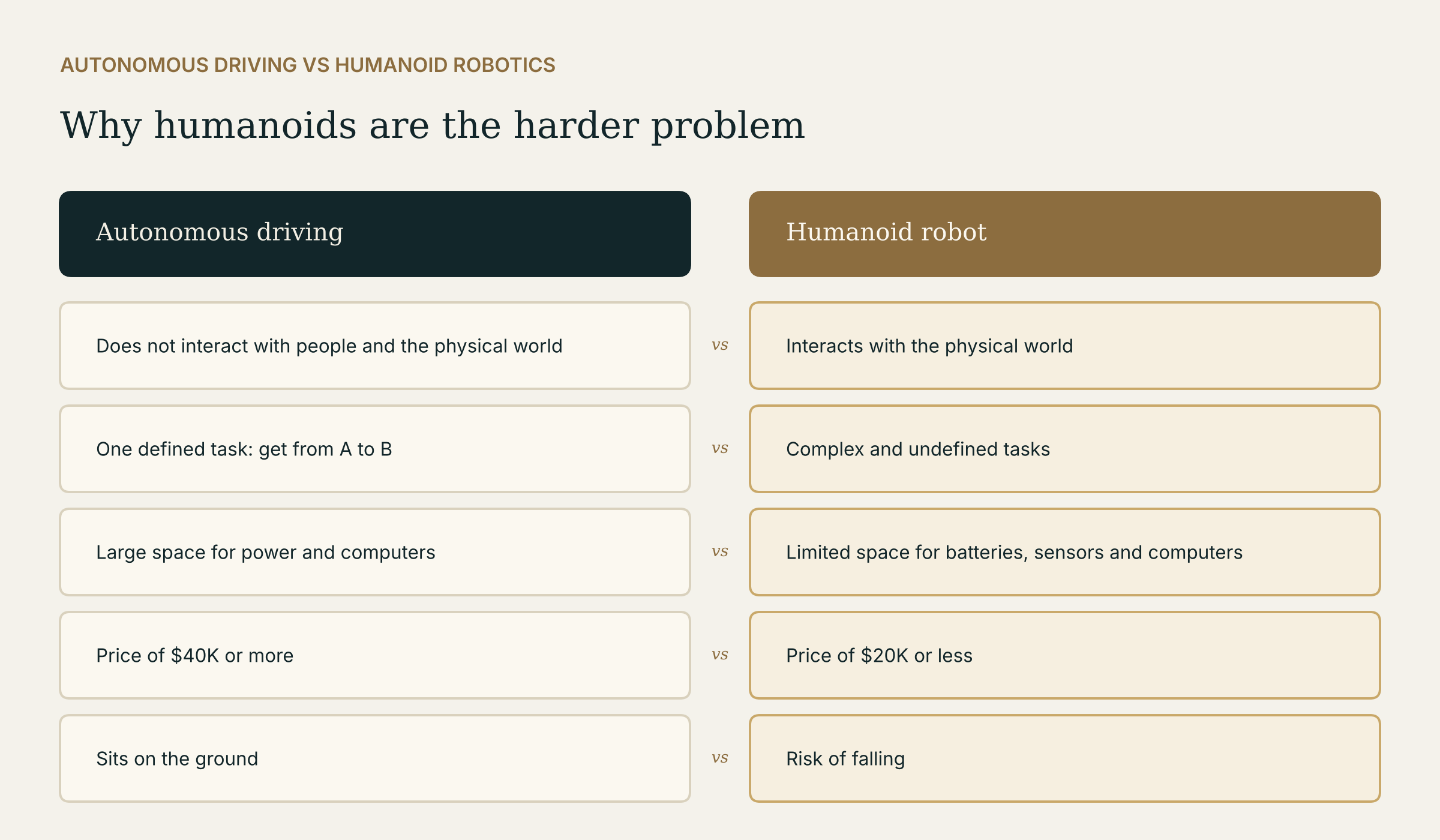
Humanoid Robotics Is Much Harder Than Autonomous Driving
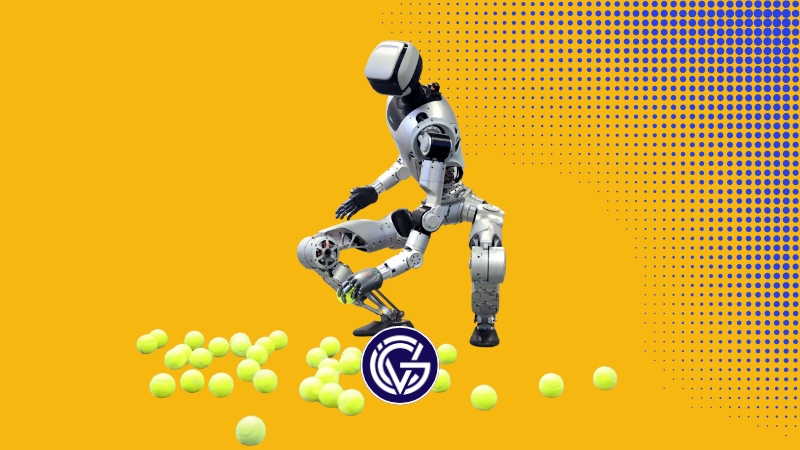
Humanoids must interact continuously with people and unstructured environments, perform undefined tasks, operate with limited battery and compute capacity, and manage balance and fall risks. Their physical economics remain fragile because manufacturing, deployment, servicing and reliability cannot be abstracted away.
Three Signals Investors Should Pay Attention To
- Scale alone will not compound AI ability indefinitely. Marginal gains diminish while cost and complexity rise.
- Neuromorphic AI remains a black box. It reflects correlation rather than explicit logic and struggles as corner cases multiply.
- Embodied AI exposes the limitations. Progress in autonomy remains constrained by purpose-built architecture, economics and domain-specific processes.
Neurosymbolic AI Is Key to AI + Industrial
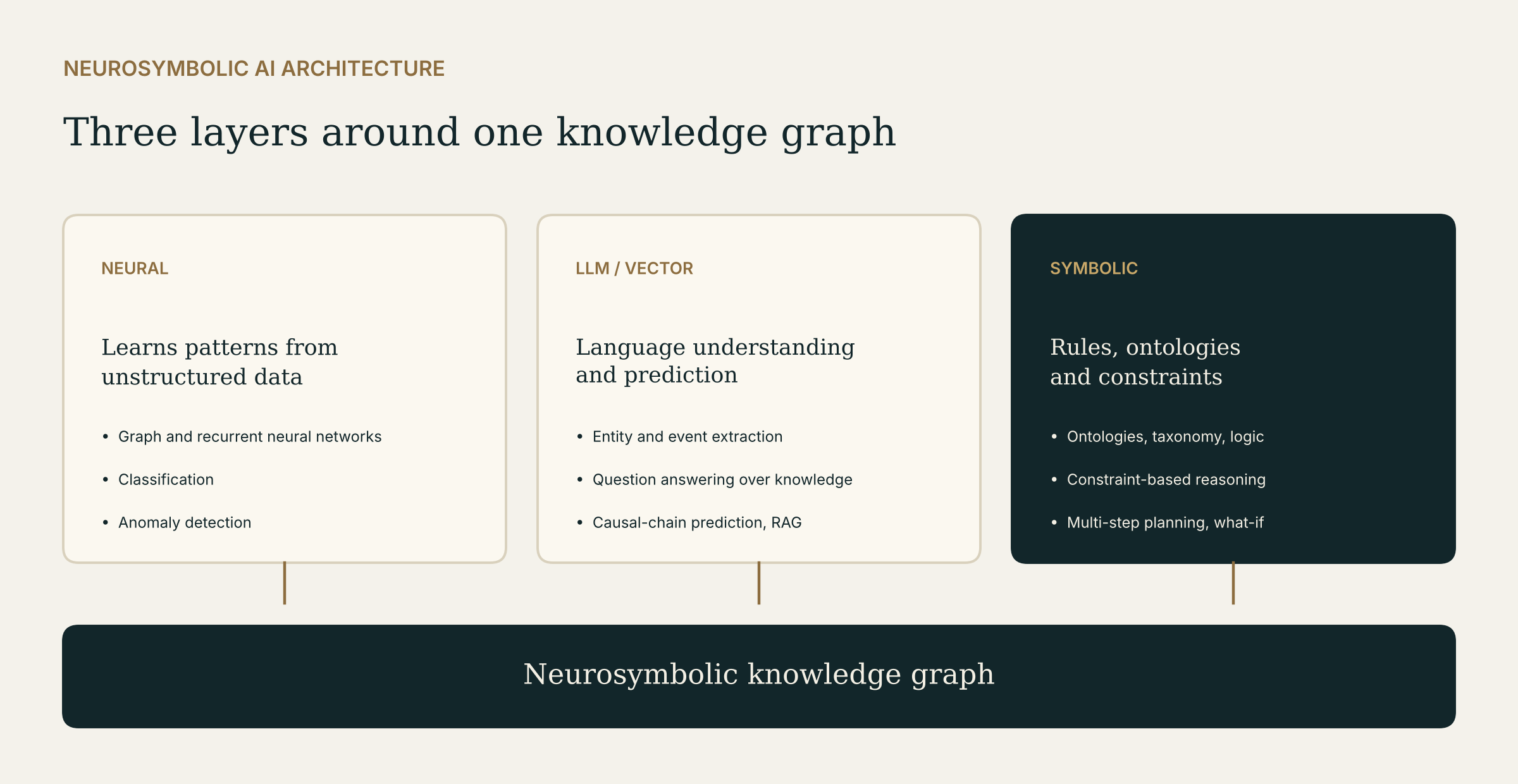
Neurosymbolic architectures combine neural models for pattern recognition, LLM-based language understanding and causal-chain prediction, and symbolic ontologies, rules and knowledge graphs for constraint-based reasoning. This can reduce hallucination, strengthen generalisation, improve explainability and lower data requirements.
Application Cases
Citrine Informatics applies materials-aware AI to discovery and optimization, enabling faster product development and reduced customer response time with less compute than frontier LLMs. Innoaero has used AI-enabled R&D to discover a new copper alloy, achieving major efficiency gains and commercial sales within one year of seed financing.
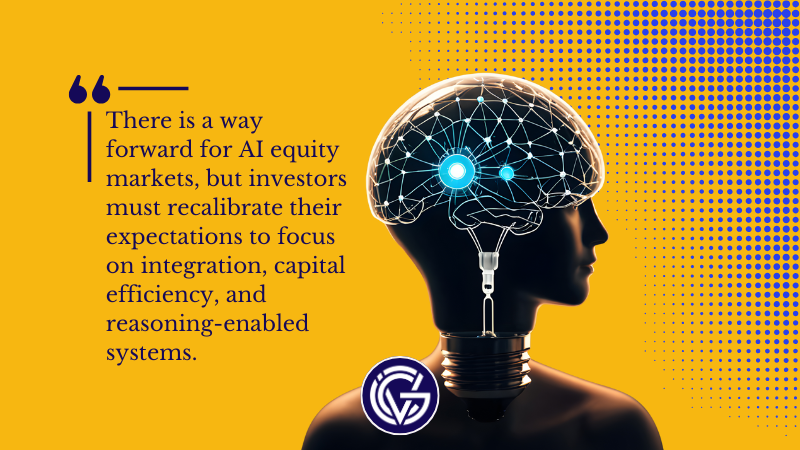
To capture durable returns as the sector matures, investors must recalibrate expectations toward integration, capital efficiency and reasoning-enabled systems.